When an SME decides to "go digital", the first reaction is usually to pick a channel: open an Instagram page, launch Google ads, hire someone to post. The problem is that the channel is the last piece, not the first.
Starting with the channel is like choosing the shop window before knowing what you sell. It can create movement, but rarely consistent results.
The most common mistake: starting with the channel
Most SMEs that come to us have already tried something — a few months of posts, an ad campaign, a new website. Almost always, the experience ended with the same conclusion: "digital doesn't work for our business".
In most cases, digital would work. What failed was the order. Money went into visibility before there was a foundation able to turn that visibility into enquiries.
Step 1: organise the foundation before investing in visibility
The foundation is everything a potential client finds when they look up the company: the website, the Google profile, social media, the way to get in touch. If that foundation is outdated or confusing, any marketing investment will bring people to a place that doesn't convince them.
We've already explained the difference between digital presence and digital marketing in detail — and why the first has to come before the second.
Step 2: define a clear message
Before choosing where to communicate, you need to know what to communicate. A clear message answers three questions:
What the company does. In plain language, without industry jargon.
Who it works for. Which type of client benefits most from the service.
Why it should be chosen. What concretely sets it apart — not "quality and trust", which everyone says.
Without this message, each channel will say something different, and the market can't recognise the company.
Step 3: choose few channels and do them well
An SME doesn't need to be everywhere. It needs to be good where its clients look. For most service businesses, that means:
| Company situation | Priority channel |
|---|---|
| Clients search for the service on Google | Website + local SEO |
| Sales depend on relationship and trust | LinkedIn or Instagram with regular content |
| Need for short-term results | Paid ads, with a prepared landing page |
Two well-run channels are worth more than five abandoned after three months.
Step 4: measure from day one
Without measurement, every decision is a guess. From the start, the company should know how many people visit the website, where they come from and how many end up getting in touch. You don't need a complex dashboard — you need consistent reading of the numbers, month after month.
Start small, but with continuity
An SME's digital marketing doesn't need to start big. It needs to start in the right order and have continuity. A 12-month plan almost always beats a series of one-off actions, precisely because each month learns from the previous one.
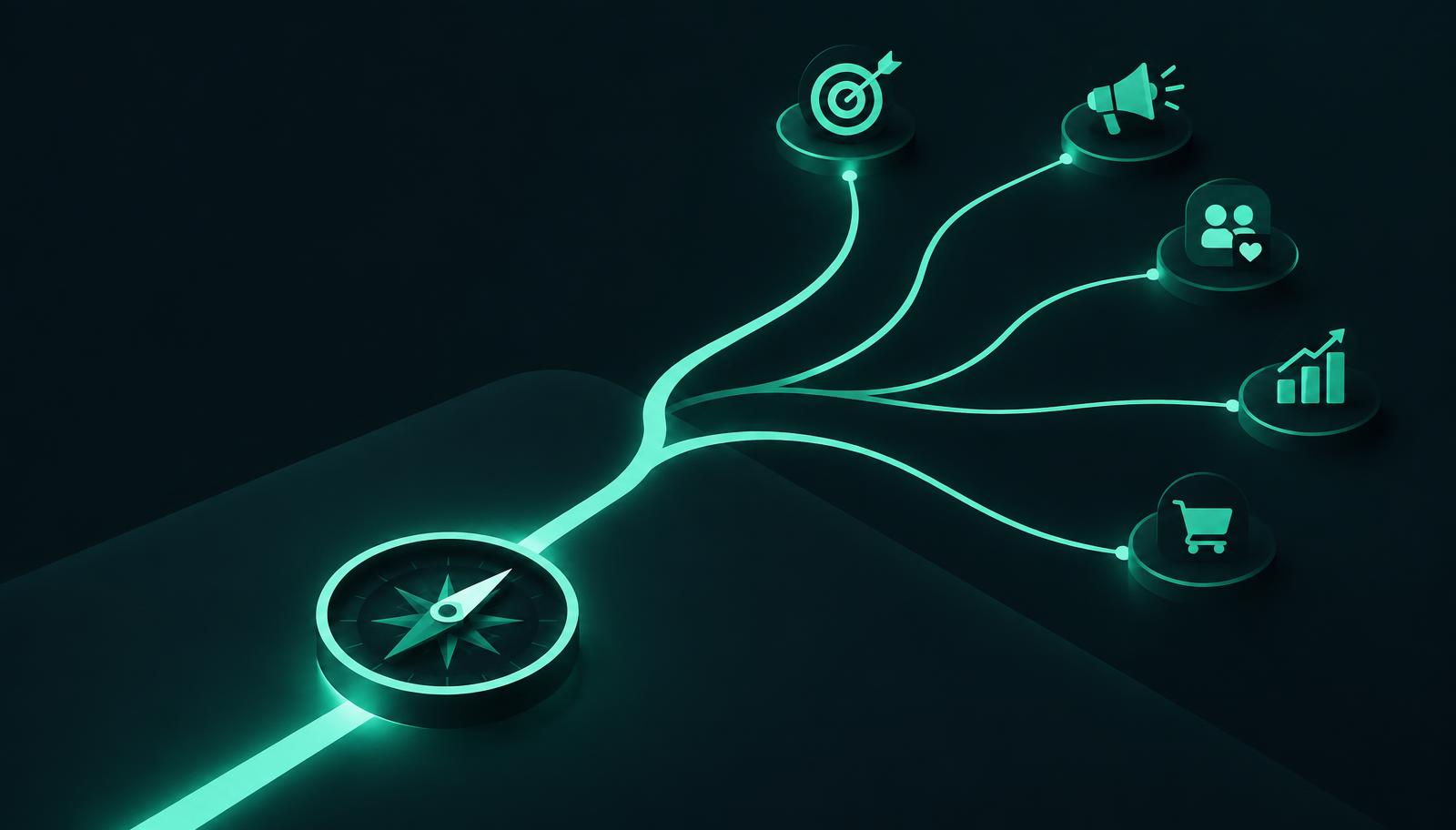
The order is simple: foundation, message, channels, measurement. Those who follow it stop "trying digital" and start building growth.